Checklist: What to Pack for a Full-Day Country Hike in Changeable Weather
A season-by-season packing checklist for a full day on rural trails: layers, waterproofs, navigation,...

Smallholdings are sold on a daydream: a few chickens, a productive veg patch, perhaps a pig or two, and a life that moves at the pace of the seasons. The reality is rarely less rewarding, but it is more demanding. Most new smallholders do not fail because they lack enthusiasm. They stumble because they underestimate the practical load — the money that leaves the account, the fence that needs mending, the water that freezes, and the animals that need care whether or not you have had a hard day. Avoiding a handful of common mistakes will not make smallholding easy, but it will make it far less exhausting. The good news is that most of these mistakes are predictable, and therefore avoidable.
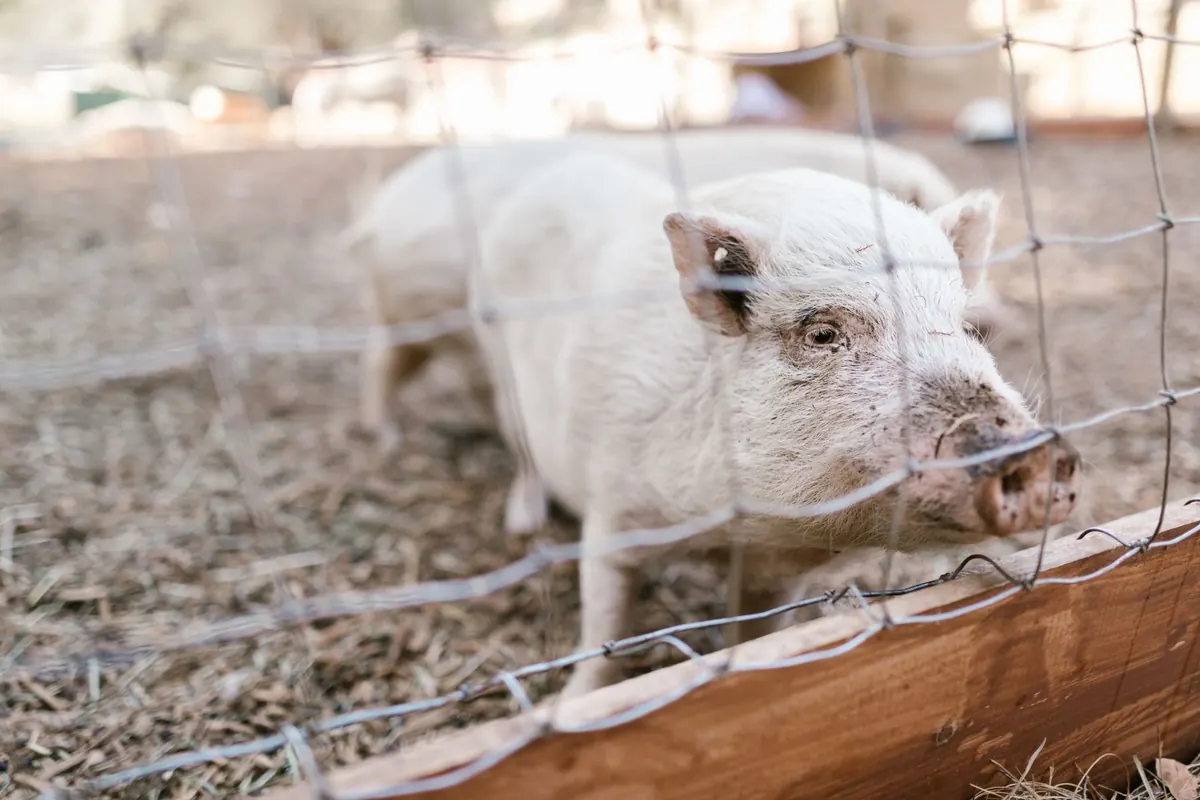
Smallholding budgets usually begin with land and animals. Those are rarely the costs that catch people out. It is the infrastructure, repairs, feed, fuel, and endless small purchases that add up. A bargain pig can cost more in fencing than the pig cost to buy. A single vet visit for a lame ewe can wipe out a month’s feed budget. Work out setup costs and annual running costs before buying, then add a contingency; something always breaks when weather changes plans. A contingency of 20 to 30 percent is not pessimistic, it is realistic.
Common forgotten costs include:
This is not a reason to abandon the idea. Start smaller than you think you should. If the budget is tight, delay the second enterprise rather than stretching the first. Keep a simple record of spending for a year; patterns become obvious. You may discover that hay, bedding, or diesel are quietly draining more than you expected. For financial, tax, or legal decisions, take professional advice rather than relying on forum wisdom.
New smallholders often buy animals first and build later. It feels good to have stock on the ground, but it reverses the sensible order. Housing, fencing, water, and a way to handle animals should be in place before they arrive. Otherwise you spend the first weeks firefighting, and the animals pay the price. Six hens arriving before the coop is predator-proof is a classic example; by morning, the fox has solved the problem for you.
Ask three questions before any animal comes home: Where will it live? How will I move it safely? What will I do if it gets sick or injured? Have a working relationship with a vet before you need one. Start with a few hardy animals suited to your ground and climate, not the breed that looks best in a photograph. Overstocking is another quiet mistake. More animals mean more feed, muck, fencing pressure, and time. A small flock kept well is better than a large one kept badly. Always plan for breeding: lambs and goat kids become adults, and sometimes too many males to manage. A ram or billy goat can be harder to handle than an entire flock, so have a plan for offspring before the first mating.
Fencing is the skeleton of a smallholding. Get it wrong and every other job becomes harder. Perimeter fencing should be your first major project, not something you patch together after livestock arrive. Different animals need different fencing: sheep need tight stock netting, pigs need sturdy electric fencing, poultry need protection from above as well as around. Gates should be wide enough for a trailer or a vehicle, well hung, and placed where you actually move animals. A gate that is too narrow or hung on a slope will annoy you every single day.
Walk the fence line regularly. Look for loose posts, worn wire, sagging gates, and gaps where animals push through. Keep a few spare posts, insulators, and a fence tester on hand. Electric fencing is useful, but it relies on a good earth and a live current; check it after storms and in dry weather. Sheep will walk through a gap the size of a fist, and pigs will lift a gate off its hinges if they can get their snout under it. If you are unsure about boundaries or rights of way, check the legal position with a qualified professional before you build.
Water is heavy, and smallholdings rarely have it where you need it. A trough that is easy to fill in July can be a block of ice in January. Plan where water comes from, how it gets to each field, and how you will keep it thawed. Bury pipes below frost depth, fit drain taps, lag exposed pipes, and keep spare troughs and buckets. Automatic waterers are convenient but need checking; a stuck ball valve can flood a pen, and a blocked one can leave animals thirsty.
In winter, plan to break ice at least twice a day. If your land is on a slope, consider gravity-fed systems from a header tank, but make sure the pressure is adequate. Rainwater harvesting can help, but storage and filtration need thought. Water also creates mud, so place troughs on hard standing or gravel where possible and move them to prevent poaching. Hauling buckets in the dark because a pipe has frozen is a chore that quickly drains enthusiasm, so treat water as infrastructure, not an afterthought.
Mud is the quiet enemy of the smallholding. One wet winter can turn a gateway into a knee-deep trench, and once that happens, every trip to feed animals becomes a battle. Mud causes foot rot, mud fever, and lost condition. It also wastes feed and bedding, and it makes fencing sag. Before you stock heavily, think about drainage, gutters, downpipes, hard standing, and gravel. A sacrifice paddock — a small area you are willing to see poached — can save the rest of your land.
Rotate paddocks where you can. Move feeders and troughs to stop animals standing in the same spot. If you keep pigs, they will root; give them a designated area rather than the whole field. Woodchip, gravel, and proper gateways are not glamorous purchases, but they are often the difference between a workable smallholding and a miserable one.
Enthusiasm is wonderful, but it can bankrupt your time. You do not need chickens, bees, pigs, a polytunnel, an orchard, and a milking goat in year one. Each enterprise has its own skills, equipment, and seasonal demands. Spring is already a bottleneck: lambing, planting, fencing, and grass growth all arrive together. Add a day job and family life, and something will give.
Choose one or two core enterprises and master them first. Write down how many hours a week you can realistically give, then halve it. A dairy goat or cow is a twice-daily commitment, every day, for years. If that does not sound appealing, do not buy one. Smallholding is not a race to collect livestock breeds; it is a long conversation with the land, and the land rewards patience.
Start small, start slow, and let the land teach you.
Avoiding these mistakes will not guarantee a perfect smallholding, because no such thing exists. But it will give you a better chance of building a system that works — one where the daydream is not crushed by the first frozen pipe or escaped pig. Start smaller, plan the infrastructure, respect water, mud, money, and time, and the life you imagined has room to grow.
Photo: RDNE Stock project / Pexels
A season-by-season packing checklist for a full day on rural trails: layers, waterproofs, navigation,...
A practical guide to housing, feeding, milking, and the daily routine that keeps a family milk goat...
A practical guide to organizing a rural tool-sharing circle: recruiting a few neighbors, cataloging...