Checklist: What to Pack for a Full-Day Country Hike in Changeable Weather
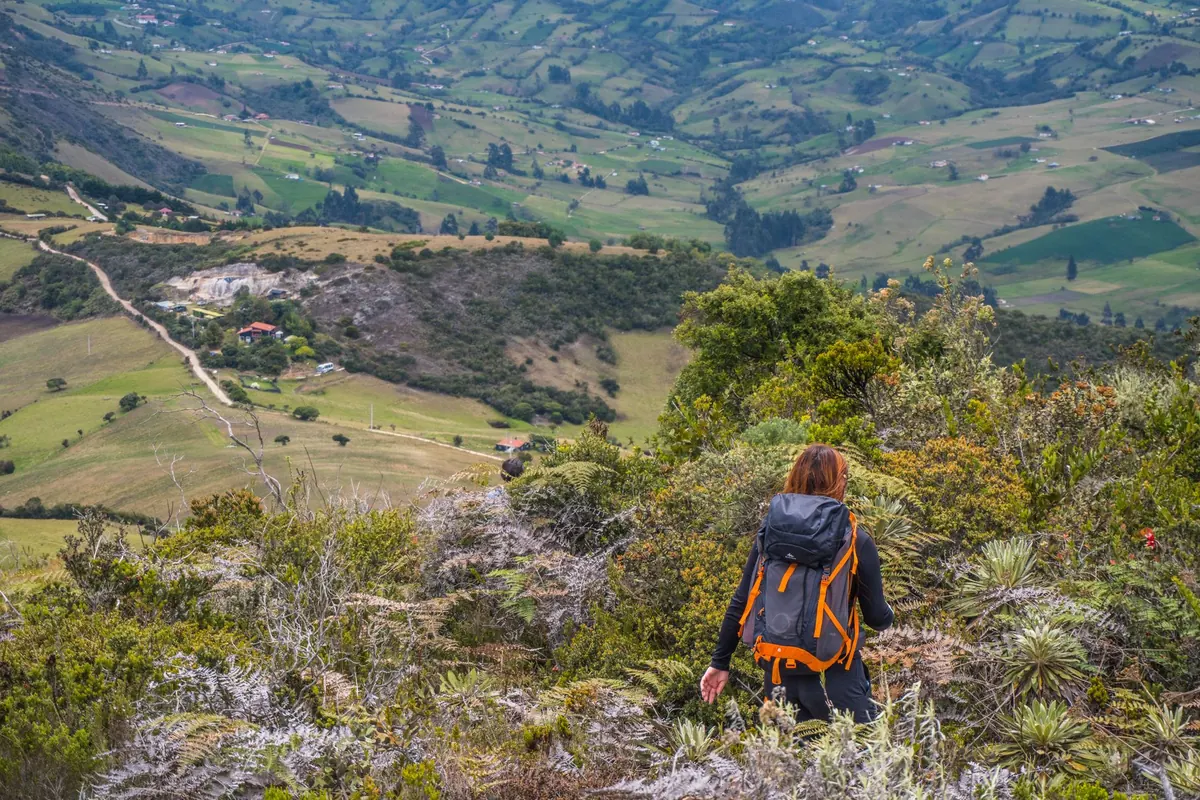
A season-by-season packing checklist for a full day on rural trails: layers, waterproofs, navigation,...

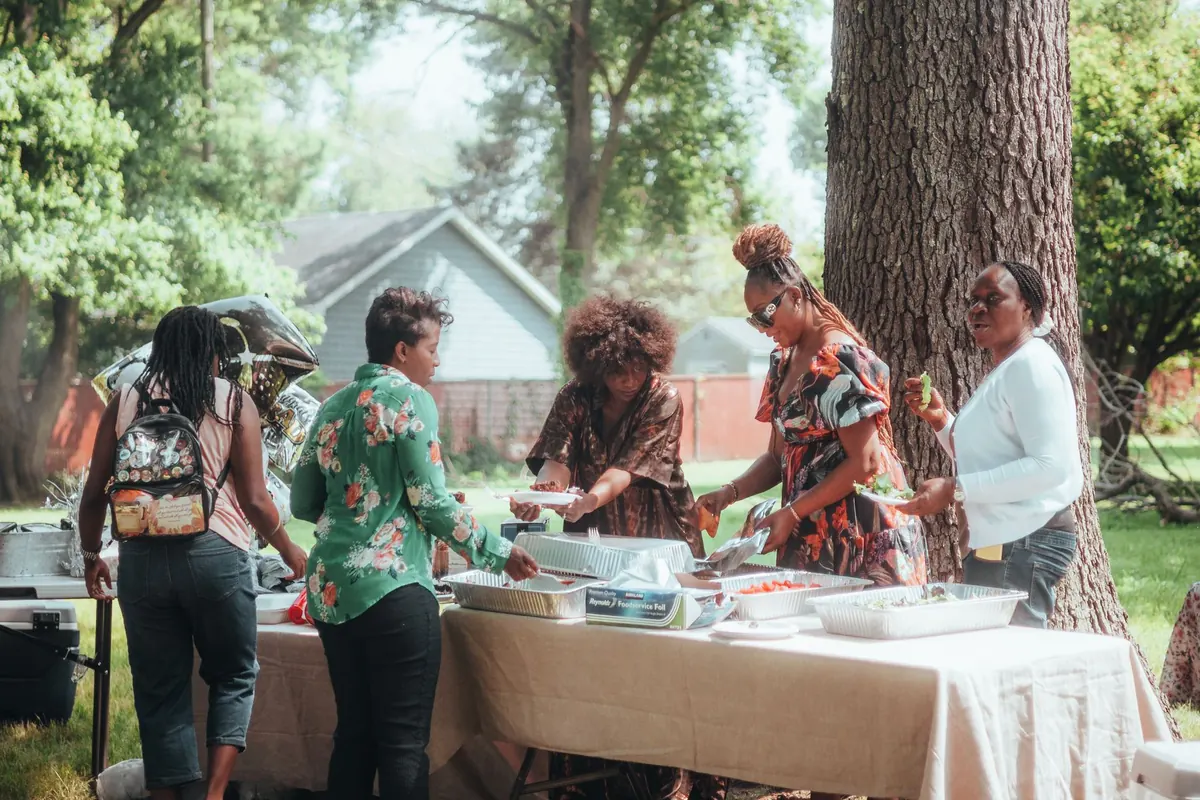
A village hall potluck has its own arithmetic. Twenty people promise to come, thirty show up, and somehow there is still enough food — provided somebody thought about forks, plates, and where to plug in the coffee urn. The difference between a warm, easy evening and a chaotic one is rarely the cooking. It is the planning done quietly in the two weeks before anyone lifts a lid off a casserole dish.
What follows is the list seasoned organizers keep in their heads. Work through it once and the supper runs itself.
Before you mention the supper to a single soul, settle four things: the date, the time, the place, and who is in charge. Check the hall calendar and the community noticeboard for clashes — the church supper, the hockey tournament, the harvest dance, the night the curling club meets. A potluck competing with another event will feed twelve people and a lot of leftovers.
Then name one organizer. One, with two or three willing helpers. A committee of twelve decides nothing and meets four times. The organizer holds the sign-up sheet, the hall key, and the final say on whether there are enough tables.
Set a budget line for the things nobody brings: hall rental, coffee, tea, sugar, ice, paper goods, garbage bags. Some halls cover this with a donation jar by the door. Keep the amount modest and say so on the poster so no one stays home over money.
Rural communities do not share one channel, so use three or four. A poster at the post office, the feed store, the co-op, and the church door. A line in the newsletter or the local paper. A phone tree for the people who do not use email, and a text group for the ones who do. Word travels well here, but only if it starts somewhere visible.
Whatever the format, include the same details:
Ask people to reply, even if the answer is maybe. A rough count turns guesswork into grocery lists.
"Bring a dish" is how you end up with eight pasta salads and no bread. Use categories instead, and write the category next to each name as people sign up. Forty guests usually need roughly six mains, four sides, three breads, four desserts, plus drinks and condiments.
Ask each dish to serve eight to ten people. Anything smaller disappears before the end of the line.
A few practical habits keep the table safe and fair. Ask people to bring their dish in something they can label, and to write the name of the dish and any common allergens on a card in front of it. Keep hot food hot in slow cookers and roasters, and cold food on ice or in coolers. Food that has sat out for more than about two hours is better binned than saved. Anyone who has been unwell in the previous day or two should bring a store-bought item rather than cook. If the supper is open to the wider public rather than just neighbours, check with your local health authority about any requirements that apply.
An hour of setup prevents an hour of standing in a doorway holding a hot dish. Lay the tables in two lines or a wide U rather than one long row, so people can serve from both sides and the queue keeps moving. Put the drinks station in a separate corner, well away from the food line.
Keep a supplies box in your vehicle. It should hold:
Walk the room and find the outlets before you need them. Spread the hot dishes across different circuits rather than daisy-chaining everything into one corner, and tape down any cord that crosses a walking path.
Put someone friendly at the entrance with a marker and blank name tags. It sounds unnecessary in a village where everyone knows everyone, and it is not: it saves the newcomer, the returning student, and the cousin from three counties over from hovering by the coat rack.
Ask a couple of people in advance to watch for anyone standing alone and to sit with them. Set aside seating near the door for those who cannot stand long in a line, and offer to make a plate for an older neighbour rather than letting them wait. If a blessing before the meal is customary in your hall, ask someone ahead of time; do not spring it on a guest. Keep announcements to two minutes, and make them at the end of the meal, not the beginning.
Cleanup goes twice as fast if it starts before the last slice of pie. Assign three or four people at the beginning of the evening — one on dishes, one on tables, one on garbage and recycling — and write the names on a sheet by the kitchen door. People who are asked directly stay; people who are asked generally drift toward the parking lot.
Set up a "lost dish" table for the casseroles and pie plates that came without a name. Wash and stack what belongs to the hall. Wipe the tables and the kitchen counters, sweep the floor, stack the chairs, check the bathrooms, take the garbage out to the bin, and do a last walk-through before locking up. Return the key the next morning, while you still remember where you put it.
Send a short thank-you note to the hall committee, the person who made the coffee, and anyone who stayed to scrub pots. Then write down what you learned while it is fresh: how many came, how much food was left, which dishes ran out first, which outlet tripped. Keep that page with the sign-up sheets for next time. The second potluck is always easier than the first, and by the third, the whole thing feels less like an event and more like what it is — neighbours, a long table, and enough to go around.
Photo: Samuel Peter / Pexels
A season-by-season packing checklist for a full day on rural trails: layers, waterproofs, navigation,...
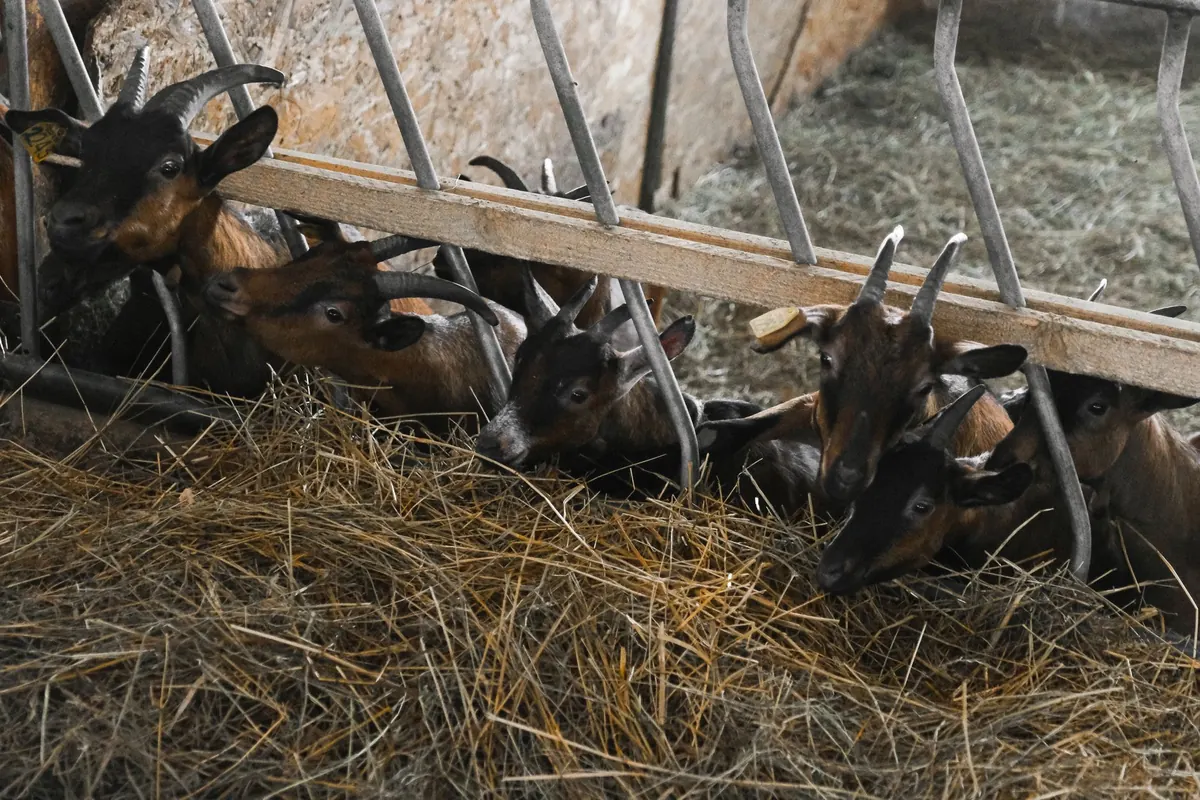
A practical guide to housing, feeding, milking, and the daily routine that keeps a family milk goat...
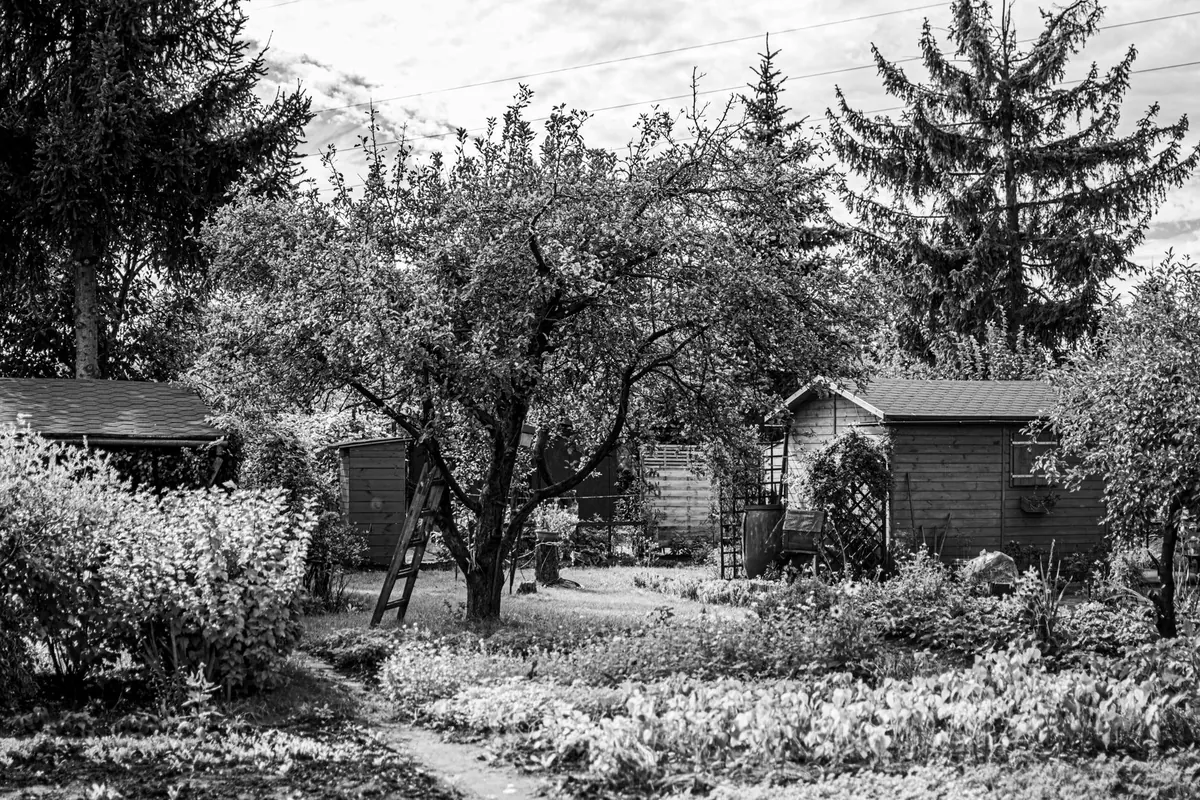
A practical guide to organizing a rural tool-sharing circle: recruiting a few neighbors, cataloging...