Checklist: What to Pack for a Full-Day Country Hike in Changeable Weather
A season-by-season packing checklist for a full day on rural trails: layers, waterproofs, navigation,...

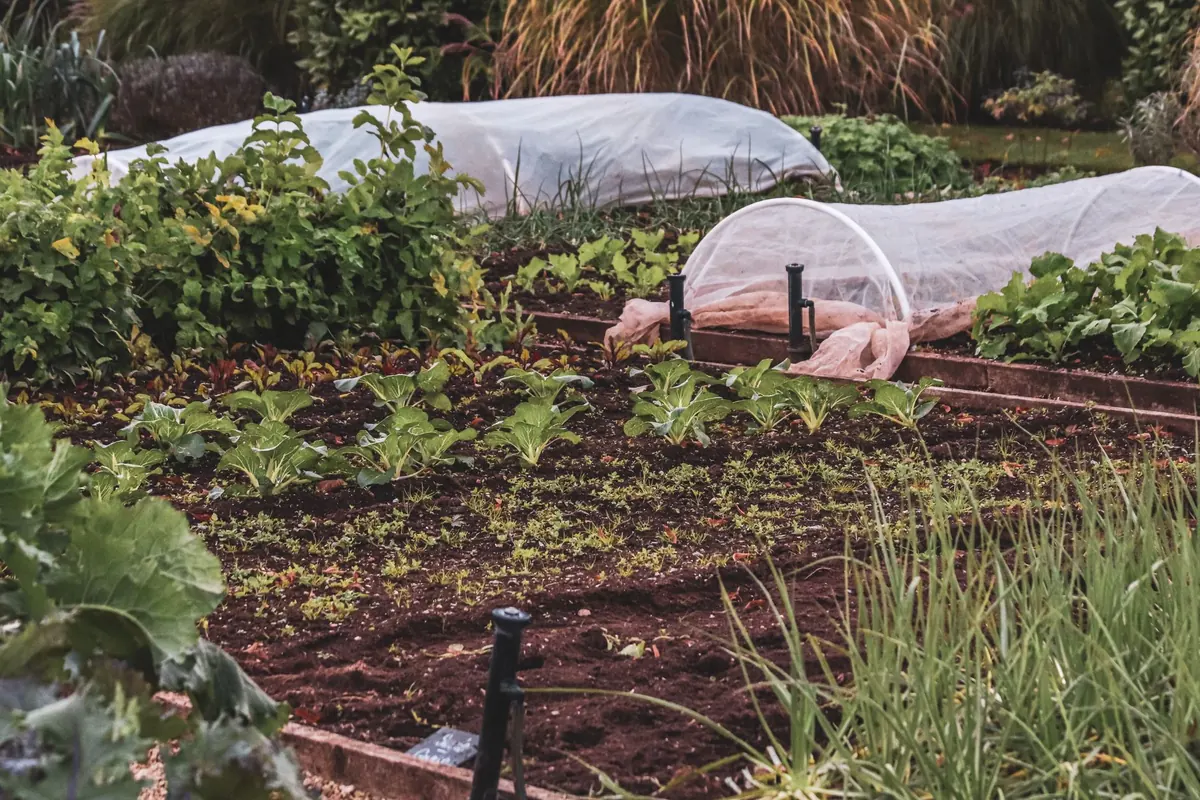
The first spring on a new piece of land has a way of sorting your priorities fast. You walk the property, find the spot with the best light, and then face the question that starts friendly arguments at every farm supply counter: do you build boxes and fill them, or work with the ground you already own?
Both methods grow excellent vegetables. The difference shows up in your budget, your back, your water bill, and the hours you spend fighting weeds. What follows is a straight comparison for a rural plot, where space is rarely the problem — rocks, clay, wind, and the distance from the house to the hose usually are.
Before you buy a single board, find out what your soil can do. Dig a hole about a foot deep, take a handful from six inches down, and squeeze it. If it forms a long ribbon, you have clay. If it crumbles into dust, you have sand. Then send a sample to a cooperative extension lab for pH and nutrient levels. A soil test is one of the better investments you can make before building anything.
If the results show decent organic matter, reasonable pH, and no serious drainage problem, in-ground planting will save you money and labor. If your ground is heavy clay, ledge, gravel fill from an old barn pad, or compacted by decades of equipment, raised beds let you skip a ten-year repair project.
Check what was on that ground before, too. Old orchard sites, former livestock pens, and ground near aging outbuildings deserve a closer look before you plant food there. Your extension office can suggest what to test for.
Raised beds front-load the expense. In-ground gardening spreads it out over years, mostly in the form of amendments.
Then there's the cost nobody mentions at the lumber yard: raised beds settle. Organic matter breaks down, so plan on topping off an inch or two every year or two. In-ground soil renews itself if you keep adding compost and cover crops.
Raised beds drain. That's their best feature in a wet climate and their worst in a dry one. During a heavy spring, plants in beds keep their roots out of standing water while in-ground crops sulk. In August, though, that same free-draining mix can dry out two or three days faster — which matters when the garden sits a long walk from the spigot.
In-ground soil holds moisture longer and stays cooler in the root zone, which suits beans, corn, squash, and anything grown in bulk. On a slope or in a low spot, though, expect erosion or drowned roots unless you shape the ground with swales or berms.
Practical fixes either way: mulch with straw, leaves, or grass clippings; put drip irrigation on a timer if the garden is far from the house; and site beds where snowmelt and runoff don't pool against them.
Twelve inches of loose soil handles most vegetables. Carrots and parsnips want more, or a bed built directly over decent ground so roots can push through. Shallow beds of six or eight inches work for lettuce, herbs, and radishes, but they dry out fast.
Raised beds win on weeding early on. Fresh, clean mix means far fewer weed seeds, and the height saves your back. That advantage fades if you let quackgrass creep in along the edges, and the frame itself gives slugs, voles, and field mice somewhere to hide. Line the bottom with hardware cloth if voles are a problem.
In-ground gardens start weedier but improve as you build soil and smother perennial roots with mulch and repeated cutting. They also let you cover crop a whole area with a tiller or broadfork and move equipment through, which is awkward in a bed. Earthworms and soil biology generally do better in undisturbed ground.
Neither method escapes deer, rabbits, or groundhogs. Fencing matters more than your choice of bed.
If anyone in the household has trouble kneeling or bending, this decides the question. Beds at 18 to 24 inches allow seated work; 30 inches or higher works standing up. An in-ground plot means kneeling, crouching, or sitting on a rolling cart.
On a large rural plot, a hybrid makes sense. Put a few raised beds close to the kitchen door for herbs, salad greens, and the tomatoes you pick daily. Use in-ground rows farther out for potatoes, corn, winter squash, and dry beans — crops that need room, not attention.
Choose raised beds if your native soil is poor, your site is wet, you're gardening over ledge or on a slope, or you want easier access and fewer weeds. Choose in-ground if you have decent soil, more space than budget, dry summers, or plans to run equipment and cover crops across a large area.
Gardening on a rural plot is a long conversation with your land. Give yourself a season or two to hear what it has to say, and build accordingly.
A season-by-season packing checklist for a full day on rural trails: layers, waterproofs, navigation,...
A practical guide to housing, feeding, milking, and the daily routine that keeps a family milk goat...
A practical guide to organizing a rural tool-sharing circle: recruiting a few neighbors, cataloging...